October 3, 2026
The Importance of Understanding the Systems Behind the Aircraft
By Joshua D. Bird
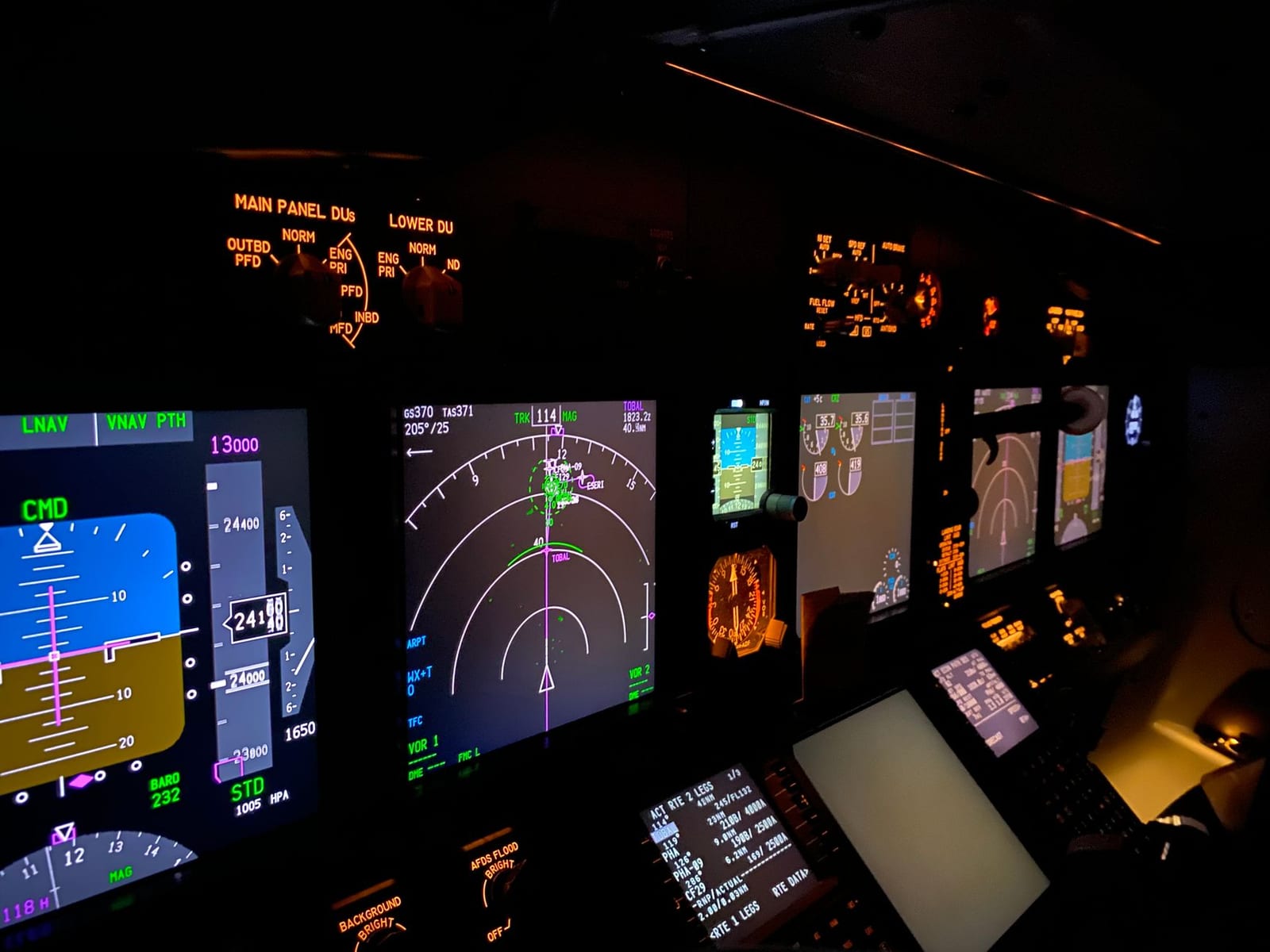
Seeing an Aircraft as More Than a Machine
When most people look at an aircraft, they see the finished product. They see the size, the shape, the technology, and the ability to move people across the world in a matter of hours. What they do not always see are the thousands of interconnected systems working together behind the scenes to make that flight possible.
Throughout my career in aviation, I have learned that understanding an aircraft is about much more than knowing how to operate it. It is about understanding why it responds the way it does, how different components interact, and what happens when something does not go exactly as planned.
An aircraft is a system of systems. The engines, avionics, flight controls, electrical systems, hydraulics, and countless other components all depend on each other. A pilot or aviation professional who only understands the surface level of an aircraft can operate it, but someone who understands what is happening underneath can make better decisions when conditions become complicated.
I have always believed that the deeper you understand something, the better prepared you are to handle uncertainty. Aviation is an environment where preparation matters because there is very little room for guessing.
Learning to Think Beyond the Controls
Early in my aviation journey, I was focused on learning the procedures, the technical knowledge, and the skills required to perform the job. That foundation was important, but over time I realized there was another level of understanding that came from asking more questions.
Why is a certain system designed the way it is?
Why does the aircraft respond differently in certain situations?
What is the reason behind a specific checklist item?
Those questions are where deeper understanding begins.
It can be easy to approach aviation as a series of steps to memorize. There are procedures for almost everything, and those procedures exist for good reasons. However, the best aviation professionals understand the purpose behind those procedures. They understand the engineering decisions, the safety considerations, and the lessons learned from previous experiences that shaped the aircraft’s design.
I have found that knowing the “why” behind something creates a stronger connection between knowledge and action. If I understand the reason a system behaves a certain way, I am better able to recognize when something feels unusual.
That difference matters.
The Balance Between Technology and Human Judgment
Modern aircraft are incredible examples of engineering. The amount of automation and technology available today allows aircraft to operate more efficiently and safely than ever before. Systems can monitor conditions, provide information, and assist pilots in ways that would have seemed impossible decades ago.
At the same time, technology does not remove the need for human understanding.
One question I have often considered is this: as aircraft become more advanced, do we risk becoming too dependent on the systems we rely on?
I do not think the answer is to reject technology. Aviation has benefited enormously from innovation. The answer is to understand it.
Automation is a tool. It is there to support decision-making, not replace it. When someone understands how an aircraft’s systems function, they can better interpret what the technology is telling them. They can recognize limitations, identify problems, and make informed choices.
The relationship between humans and machines works best when both sides are understood.
The Value of Knowing What Happens When Things Go Wrong
Aviation training places a strong emphasis on abnormal situations because the ability to respond under pressure depends on preparation. Nobody wants a system failure to happen, but aviation professionals have to be ready for the possibility.
Understanding the aircraft systems changes how you approach those situations.
Instead of simply seeing a warning light or an indication on a display, you begin thinking about what is actually happening. What caused this? What other systems are affected? What options are available? What information do I need before making a decision?
That thought process comes from experience and from taking the time to understand the aircraft beyond basic operation.
There have been moments throughout my career where I have had to remind myself that confidence should come from preparation, not assumptions. The aircraft is an incredibly capable machine, but it requires respect. It requires the person operating it to stay curious and continue learning.
Continuing to Learn in a Changing Industry
One of the things I appreciate most about aviation is that there is always more to learn. Aircraft continue to evolve, technology continues to improve, and new challenges continue to appear.
It would be easy to think that experience alone is enough, but aviation rewards people who remain students of their profession. Every aircraft has its own characteristics. Every mission brings different variables. Every situation provides another opportunity to improve.
Understanding aircraft systems is not something that happens once and is finished. It is a continuous process.
For me, the goal has never been simply knowing how to operate an aircraft. The goal is understanding the machine, respecting its capabilities, and appreciating the engineering behind every decision that allows it to fly.
When you understand the systems behind the aircraft, you gain more than technical knowledge. You gain confidence, awareness, and a deeper respect for the teamwork between people and machines that makes aviation possible. That understanding is what allows aviation professionals to make thoughtful decisions when it matters most.